

Being a parent in today’s world is certainly full of dilemmas. On the one hand, there are the demands of work; on the other, there’s your little one, who is currently in the most crucial phase of their life.
Did you know, Mom and Dad?
The 0–2-year-old period is known as golden age child development, or the golden period that occurs only once in a lifetime. During this phase, a child’s brain develops rapidly and lays the foundation for speech, thinking, and social skills.
However, without realizing it, the hustle and bustle of daily life can prevent children from receiving optimal early childhood stimulation. It’s not uncommon for gadgets to serve as a temporary “lifesaver” to keep children calm. In reality, simple interactions—such as having a conversation, playing, and making eye contact—are far more important for supporting the development of children aged 0–2 years.
Table of Contents

Why Golden Age Is Child Development Very Important?
Research shows that a child’s brain development during the first 1,000 days of life occurs at a rapid pace and determines future learning abilities (Black et al., 2017). Furthermore, excessive screen time at an early age has also been linked to speech delays and social interaction difficulties (Gunardi, 2021). This means that the quality of real-life interactions has a far greater impact than mere screen-based entertainment.
Data from the WHO also shows that some children are at risk of developmental delays, making the role of parents in providing early stimulation all the more important.

Signs of a Child’s Growth and Development to Watch For
Every child develops at their own pace. However, parents should still be on the lookout for the following signs:
- Does not respond when called
- Has not yet spoken simple words appropriate for their age
- Eye contact is still limited
- More interested in gadgets than in social interaction
- Shows little interest in playing or communicating
This condition may also be associated with speech delay or highlight the importance of early detection of a child’s growth and development.
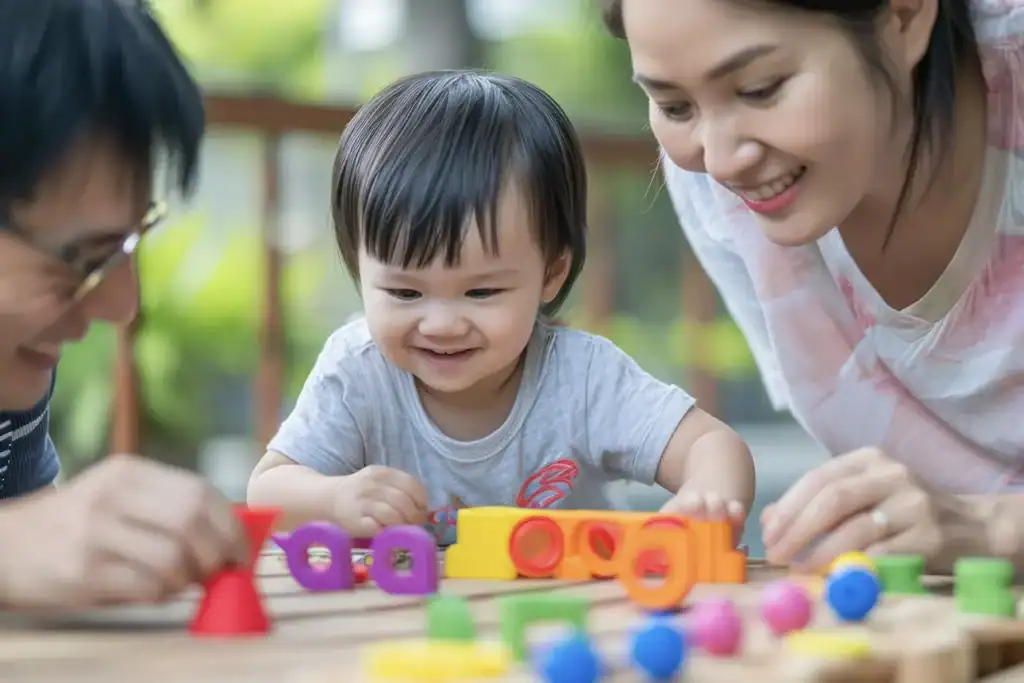
The Role of Parents in Child Development
Stimulation doesn’t always have to be complicated. Simple things like:
- encouraging children to talk
- play together
- reading a book
- responding when a child communicates
has become a crucial foundation for supporting children’s cognitive, language, and social-emotional development.
The key is consistency and the quality of the interaction, not the length of time.

When Should You Seek Medical Advice?
If you notice anything unusual about your child’s development, it’s a good idea to seek advice early on. The sooner the issue is identified, the better the chances are that your child will receive the right treatment.
Through the service Growth and Development at ViDaStana – At RSIA Puri Bunda, parents can have their child undergo early developmental screening, consult with pediatric developmental specialists and child psychologists, and receive stimulation and therapy programs tailored to their child’s needs.
Comprehensive support is provided, ranging from early detection and stimulation to therapies such as speech therapy, occupational therapy, and physical therapy, as needed.
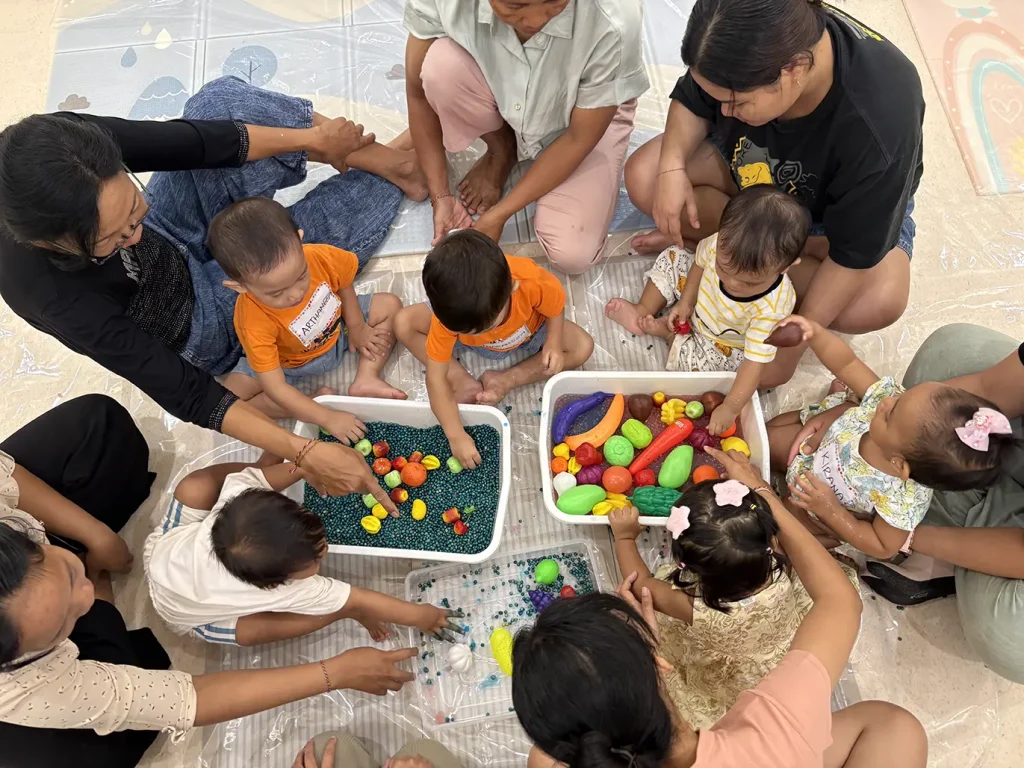
Every Child Has Their Own Process
Keep in mind that every child’s growth and development journey is unique. It’s never “too early” to start paying attention.
Golden Age A child’s growth and development are moments that can never be repeated. With the right stimulation and appropriate guidance, parents can help their little ones grow and develop to their full potential.
Want to make sure your child is developing appropriately for their age?
Schedule a developmental screening at VidaStana today.
FAQ About the Golden Age of Child Development
Can a child who is behind during the golden age still catch up?
It is still possible, especially if it is detected early and the appropriate intervention is provided. However, golden age is a period that cannot be repeated, so early stimulation and intervention will yield far better results than if they are delayed.
What are the signs that a child needs a developmental evaluation?
Some signs to watch for include a child who does not respond when called, has not yet begun speaking at an age-appropriate level, makes little eye contact, or shows little interest in interacting. If these signs appear, it is advisable to have the child undergo a developmental screening to gain a clearer understanding of their condition.
Is developmental screening important?
It is very important. Screening helps detect developmental delays or abnormalities at an early stage. At ViDaStana – RSIA Puri Bunda, screening is conducted by professionals using methods such as the KPSP or Denver II, ensuring that the results are more targeted and can serve as the basis for next steps.
If there is a delay, should the child start therapy right away?
Not always. The results of the evaluation will determine whether the child can benefit from stimulation at home or needs therapy. If necessary, the child can undergo therapies such as speech therapy for speech delays, occupational therapy for sensory issues and independence, or physical therapy for motor development.
Should I consult a doctor or a psychologist?
A consultation can help provide a clearer picture of the child’s condition. A pediatric development specialist can evaluate the child’s development from a medical perspective, while a psychologist can help assess the child’s behavior, emotions, and readiness. This approach ensures a more comprehensive approach to care.
What can parents do at home to support the golden age?
Parents can provide simple stimulation such as talking to their children, playing together, reading books, and reducing screen time. Consistency and direct interaction are key to optimally supporting a child's development.
Reference
Black, M. M., et al. (2017). Early childhood development coming of age: science across the life course. The Lancet.
Gunardi, H. (2021). Optimizing the First 1,000 Days of Life. eJKI.
World Health Organization (WHO). (2018). Early Childhood Development and Disability.