
Every parent naturally wants to see their child grow and develop optimally. However, amidst the hustle and bustle of daily life, it's not uncommon for small signs in a child's development to be overlooked.
Even though, parents' ability to perform early detection of child development is very important, especially in the early stages of life. As has been discussed in the phase golden age child development, this period is the most crucial time in forming the foundation of a child's development.
Table of Contents
Why is Early Childhood Development Detection Important?
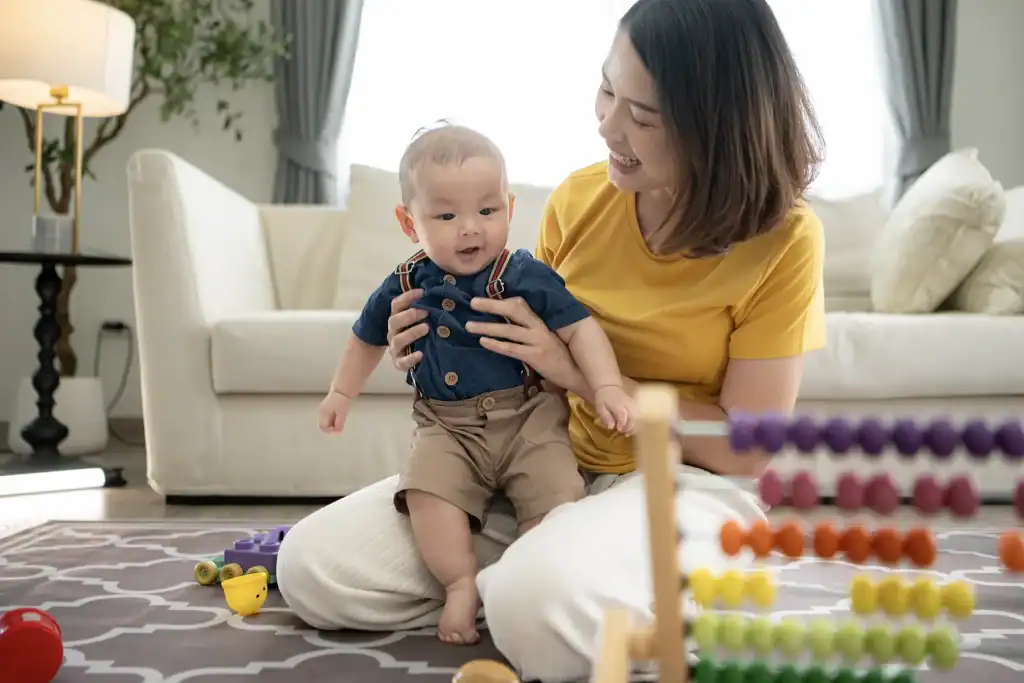
During the golden age, children's brain development is very rapid. It is in this phase that speech, motor, and social skills begin to form.
If delays occur and are not detected early, children can lose the opportunity to receive optimal intervention. Research shows that early intervention can lead to significantly better developmental outcomes (Black et al., 2017).
What is Early Childhood Development Screening?
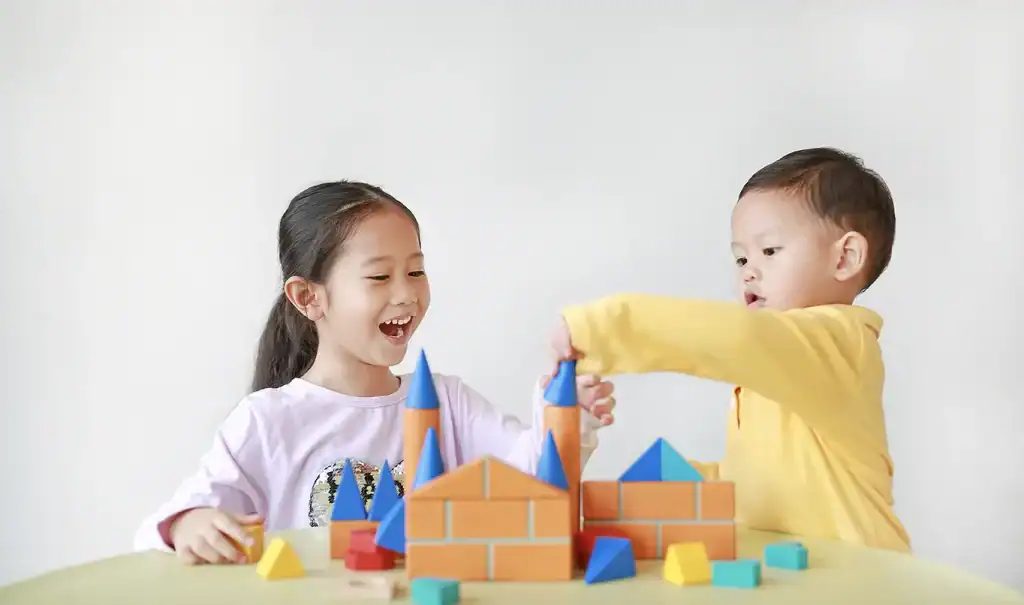
Early detection is the process of determining whether a child’s development is age-appropriate, including:
- Motor skills (movement)
- Language and communication
- Social and emotional
- Cognitive (thinking skills)
This process can be done simply at home, or through screening by a professional.
Signs of Delay to Watch Out For
Every child develops at their own pace. However, Moms and Dads should be more aware if they notice the following signs:
- Does not respond when called
- Hasn't started speaking age-appropriate words yet
- Eye contact is still limited
- Not interested in interacting
- Experiencing delays in sitting, crawling, or walking
These signs are often referred to as red flag a child’s growth and development and may be related to conditions such as speech delay, motor disorders, or the need for further evaluation.
Simple Ways to Perform Early Detection at Home
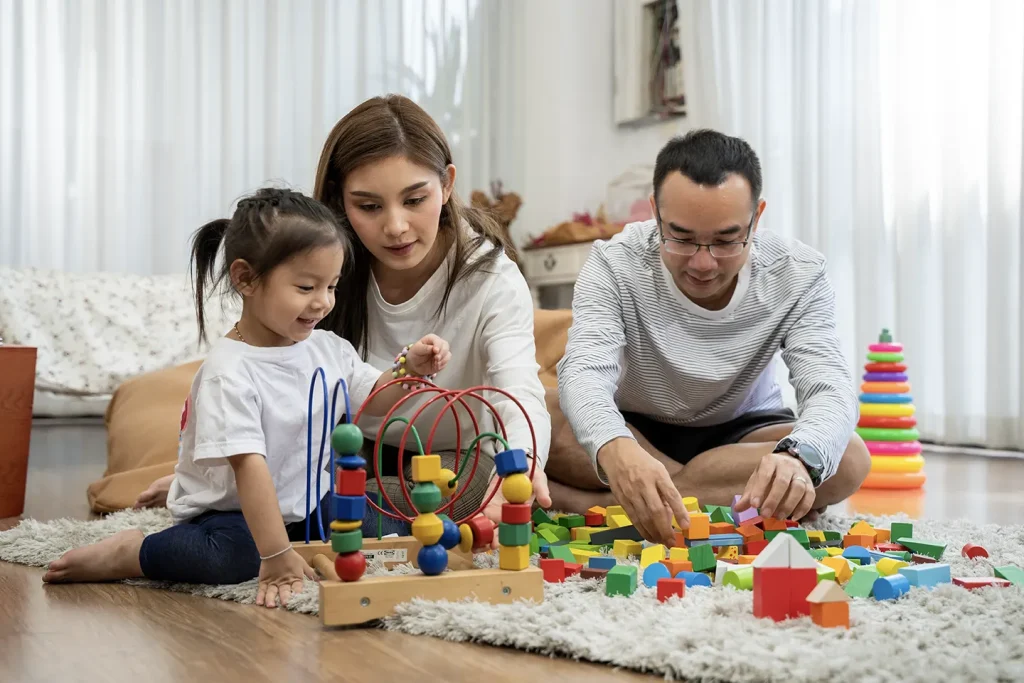
Parents can start by:
- Observing milestone age-appropriate development
- Encourage your child to interact and observe their response
- Provide simple stimulation every day
- Take note if anything feels different
This step is important to support early development monitoring before further evaluation.

When Should You Seek Medical Advice?
If Mom and Dad start to notice anything different in their little one's development, it's best not to delay consulting a professional.
Through the service Growth and Development at ViDaStana – RSIA Puri Bunda: Early detection can be achieved through developmental screenings such as the KPSP or Denver II, conducted by qualified professionals.
In addition, the following are also available:
- Consultation with a Pediatric Developmental Specialist
- Joint evaluation with a child psychologist regarding behavioral and emotional aspects
- Recommendations for stimulation and parenting styles
- Therapy programs tailored to the child's needs
If necessary, the child can undergo therapy such as:
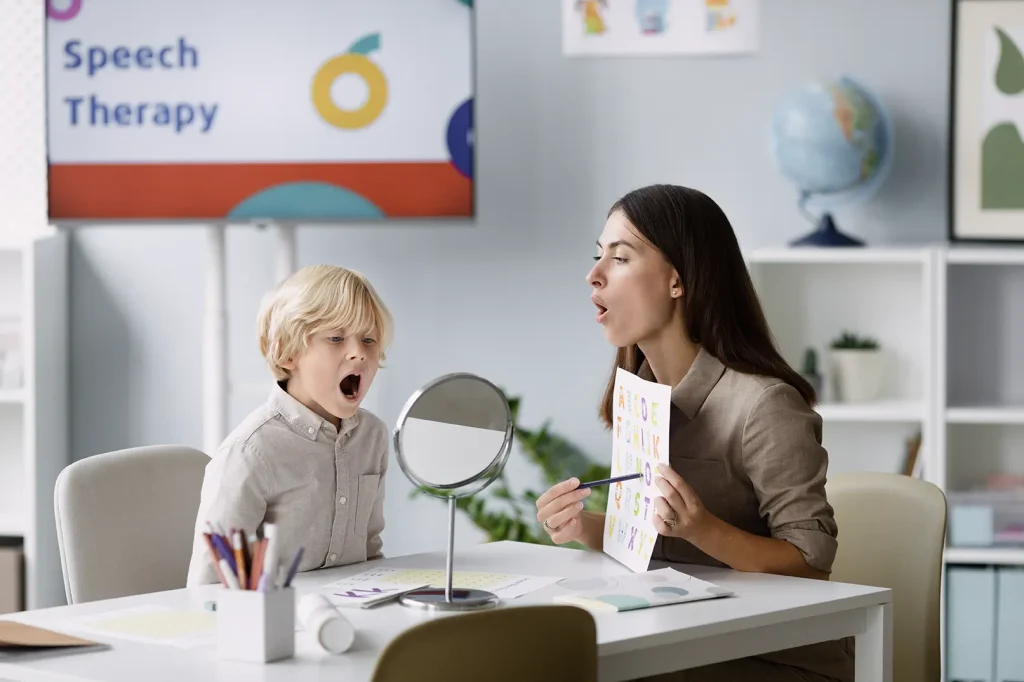
- Speech therapy for speech delay
- Occupational therapy for motor and sensory skills
- Physical Therapy for Motor Development
Comprehensive support is provided to ensure that the child’s development is guided and reaches its full potential.
Early Detection Is a Form of Care
Understanding a child’s growth and development isn’t always easy, especially with the demands of modern parenting. However, by recognizing the importance of the “golden age” and practicing early detection, parents have already taken a major step toward securing their child’s future.
Every child develops at their own pace. With the right care and support, a child’s potential can reach its fullest potential.
Want to make sure your little one’s growth and development are on track for their age?
[Click Here [To Schedule a Growth and Development Screening at VidaStana]
FAQs on Early Detection of Child Development
What is early childhood development screening?
Early detection is an effort to determine whether a child’s development is on track for their age. This process helps identify any delays early on so that appropriate stimulation or intervention can be provided promptly.
Can early detection be done at home?
Yes, by observing milestone children’s daily development and interactions. However, for more accurate results, it is recommended that screening be conducted by a professional using tools such as the KPSP or the Denver II.
When is the best time to conduct a developmental screening?
Screening should be conducted regularly starting at an early age, especially during the golden age. If there are signs of developmental delay, an evaluation should be conducted immediately without delay.
If there is a delay, should the child start therapy right away?
Not always. The results of the evaluation will determine whether the child is receiving enough stimulation at home or needs therapy. If necessary, therapies such as speech therapy, occupational therapy, or physical therapy will be tailored to the child’s needs.
What role do doctors and psychologists play in early detection?
Child development specialists play a role in comprehensively evaluating a child’s medical condition and development. Meanwhile, psychologists help assess a child’s behavior, emotions, and readiness at various stages of development.
Is early detection only for children who appear to be developmentally delayed?
No. Early detection is also important to ensure that a child’s development proceeds optimally, even if no problems are apparent. With regular monitoring, a child’s potential can be fully realized.
Reference
Black, M. M., et al. (2017). Early childhood development coming of age: science across the life course. The Lancet.
World Health Organization (WHO). (2018). Early Childhood Development and Disability.