


Excision (Nevus, Cyst, Lipoma, and Other Skin Lesions)
Skin lesions such as nevus (moles), cysts, lipomas and other soft tissue lumps can cause aesthetic complaints, discomfort and medical concerns. In certain conditions, removal of the lesion is the right step to ensure tissue safety while improving the appearance of the body area.
Excision is a minor surgical procedure that precisely removes skin lesions down to the tissue base, with the aim of a neat, safe and medically controlled result.
What is Excision and How is it Approached?
Excision is a surgical procedure to completely remove a skin or soft tissue lesion, including its base or capsule, to reduce the risk of recurrence and allow for tissue examination when necessary.
At Dahayu, excision is performed with a structured and responsible medical approach. Each lesion is first evaluated by the doctor to determine the indication, removal technique, and wound closure plan according to the location and tissue characteristics. The entire procedure is performed in a RSIA Puri Bunda Denpasar environment with strict hospital standards, so that aspects of safety, sterility and post-action monitoring are maintained.
Who Needs Excision?
Excision may be considered in individuals with conditions:
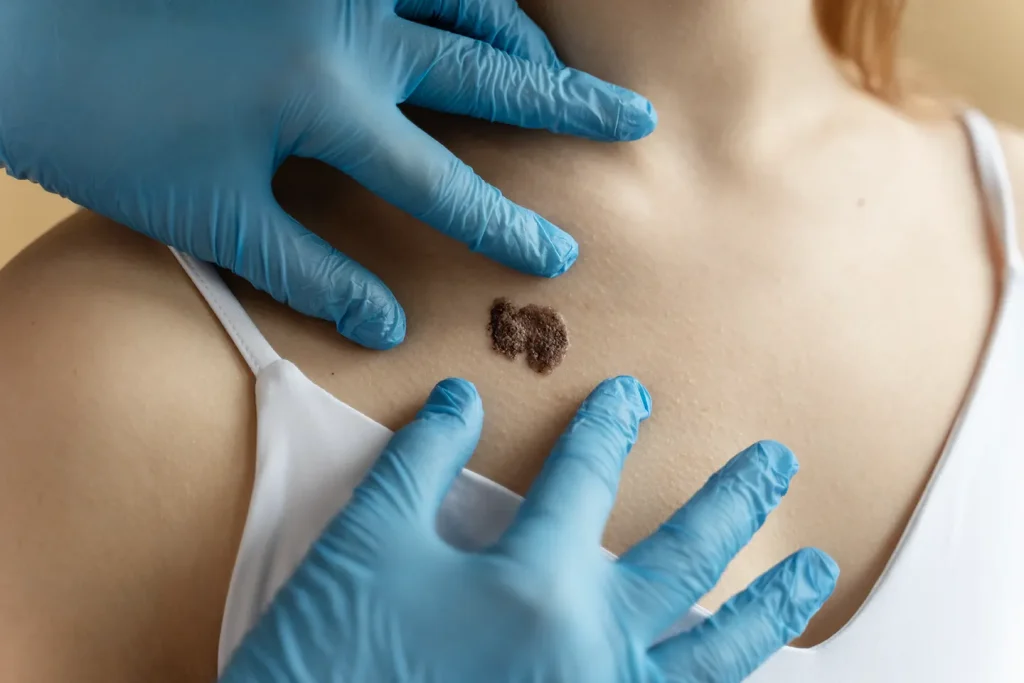
- Nevus or mole that changes size, color, or shape
- Recurrent, enlarged, or painful skin cysts
- Lipomas that are aesthetically or functionally disruptive
- Benign skin lesions that are prominent or easily irritated
- Lesions that require tissue examination (histopathology)
The indication for action is determined through medical evaluation first.
Procedures and Variations of Possible Actions
Excision in Dahayu covers a wide range of conditions, including:
- Nevus (Mole) Excision
Complete removal of the nevus down to the tissue base.
- Cyst Excision
Removal of the cyst and its capsule to help prevent recurrence.
- Lipoma Excision
Removal of benign fatty tissue with techniques that preserve the surrounding tissue.
- Excision of Other Skin Lesions
These include skin tags, soft tissue lumps, and certain benign lesions.
The choice of technique is tailored to the size, location, and characteristics of the lesion.
How is the Procedure Performed?
- Consultation and examination of the lesion area
- Determination of medical indication and excision technique
- The procedure is performed under local anesthesia
- Thorough and controlled removal of lesions
- Wound closure with neat sutures or site-specific techniques
- Tissue may be sent for histopathologic examination when necessary
- Duration of action: ± 30-60 minutes, depending on the size and number of lesions
- Performed as an outpatient measure.
Security and Risk
Excision is a minor surgical procedure with a high level of safety. Possible risks:
- Mild pain or temporary swelling
- Minor bleeding
- Infection (rare)
- Scars that will gradually improve
Risks are minimized through proper surgical technique and controlled post-operative care.
Expected Results
- Thoroughly removed lesion
- Skin areas appear cleaner and tidier
- Reduced physical complaints or irritation
- Certainty of tissue diagnosis when follow-up examinations are performed
Action Timeline & Recovery Process
Before Action
- Consultation and evaluation by a doctor
- Examination of lesion condition and general medical history
- Determination of whether additional examinations are needed according to the patient's condition
- Explanation of procedures, wound care, and outcome expectations
- The type and completeness of the examination may vary with each patient's condition at the doctor's discretion.
Action Day
- The procedure is performed under local anesthesia
- Short and controlled procedure
- Patients can go home on the same day
Day 1-3
- Mild pain or minimal swelling
- Wounds are kept clean and dry
Week 1
- Wound control
- Suture release when using non-absorbable sutures
Week 2-4
- The wound closes well
- Scars begin to gradually improve
- Recovery time may vary depending on the location and size of the lesion.
Frequently Asked Questions (FAQ)
Does excision always require laboratory tests?
Not always. Tissue examination is done when there is a medical indication.
Does excision leave a scar?
Scars may occur, but they are planned to be as small and neat as possible.
Can the lesions grow back?
The risk of recurrence is minimal when the lesion is removed to its base or capsule.
Is this procedure painful?
Pain is generally mild and well controlled.
Conclusion
Excision at Dahayu is a minor surgical procedure that is precise, safe and medically controlled. With a hospital approach, thorough evaluation, and techniques tailored to the condition of the lesion, excision helps to effectively treat various skin lesions while maintaining patient comfort and safety.
Address:
4th Floor, RSIA Puri Bunda Denpasar 4th floor,
Jl. Gatot Subroto VI no. 19, Denpasar – Bali, 80233
Phone / WhatsApp
+62 811-3821-1907