
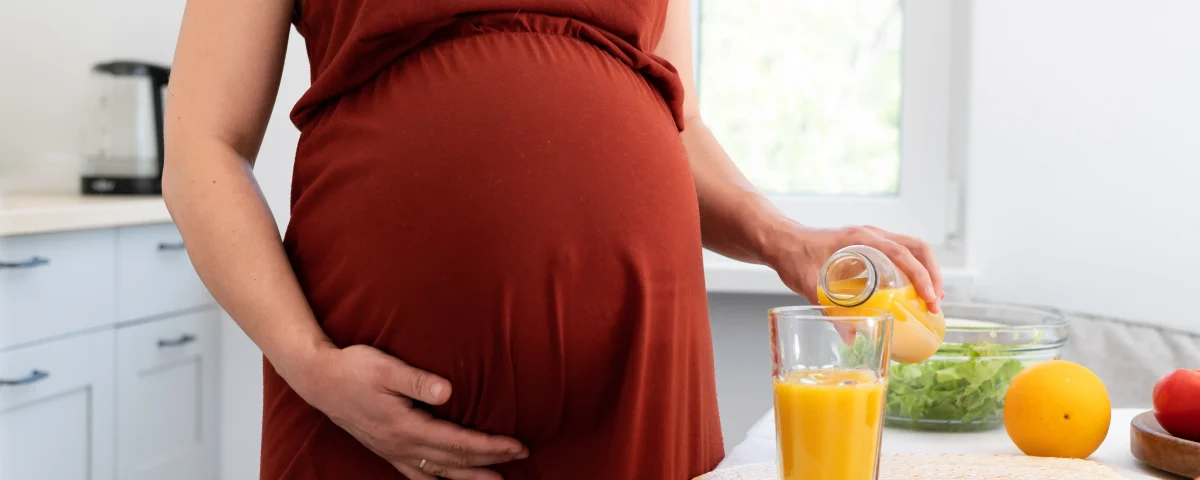
Balanced Nutrition for Pregnant Women: A Guide to Healthy Eating During Pregnancy

nutrition for pregnant women

nutrition for pregnant women

Table of Contents

Pregnancy is a crucial time that requires special attention, especially when it comes to nutrition. What a mother consumes directly affects the growth and development of her unborn baby. Therefore, choosing nutritious foods and maintaining a balanced diet is crucial.

Why is Nutrition Important During Pregnancy?

From the first trimester, the mother's body undergoes numerous changes. To support the development of the fetus's vital organs, the mother requires a higher than usual intake of calories, vitamins, and minerals. Proper nutrition can help prevent pregnancy complications such as anemia, low birth weight, and premature birth.

Reference:

  • Institute of Medicine (2009). Weight Gain During Pregnancy: Reexamining the Guidelines. National Academies Press.
  • WHO. (2016). WHO Recommendations on Antenatal Care for a Positive Pregnancy Experience.

Recommended Foods for Pregnant Women

To ensure a healthy pregnancy, here are some types of food that you should consume regularly:

  • Fresh vegetables and fruit
    Rich in fiber, vitamins, and antioxidants, green vegetables like spinach and broccoli are high in folic acid, which is important for preventing neural tube defects.


    The CDC (2023) recommends a daily intake of 400–800 mcg of folic acid before and during early pregnancy to prevent neural tube defects.


  • Lean protein
    Such as skinless chicken, eggs, tofu, tempeh, and low-mercury fish. Protein supports the growth of fetal cells and tissues.
    • According to the Journal of Perinatal Education (2013), adequate protein consumption is associated with healthy fetal weight gain.
  • Complex carbohydrates
    Whole grains, brown rice, and oatmeal provide long-lasting energy and help regulate blood sugar levels.

  • Low-fat dairy products
    Source of calcium and vitamin D for baby's bone formation.
    • The American Pregnancy Association recommends 1,000 mg of calcium per day for pregnant women.
  • Healthy fats
    Avocados, nuts, and olive oil support fetal brain development.

Foods and Drinks to Limit

On the other hand, there are also several things that need to be avoided or limited during pregnancy:

  • Raw or undercooked food
    Like sushi, raw eggs and undercooked meat carry the risk of carrying bacteria such as Listeria And Salmonella.
  • Excessive caffeine
    Limit coffee and tea consumption to a maximum of 200 mg per day (about one cup of coffee).


    ACOG (American College of Obstetricians and Gynecologists) recommends a caffeine limit of <200 mg per day to avoid the risk of miscarriage.
  • Carbonated and high sugar drinks
    Can trigger excess weight and gestational diabetes.
  • Fish high in mercury
    Such as sharks, swordfish, and king mackerel which can interfere with the development of the fetus' nerves.


    The FDA and EPA (2020) recommend consuming low-mercury fish such as salmon and sardines 2–3 times per week.

Tips for Maintaining a Balanced Diet

  1. Eat small portions but often, to avoid nausea and stomach acid.
  2. Provide healthy snacks, such as cut fruit or yogurt.
  3. Drink lots of water, at least 8 glasses per day to maintain hydration.

Consult a doctor or nutritionist, especially if you have special medical conditions such as diabetes or hypertension.

Every pregnancy is unique, and so are its nutritional needs. To ensure your nutritional needs are optimally met, consult a clinical nutrition specialist at RSIA Puri Bunda about your diet.

With comprehensive services for mothers and children, RSIA Puri Bunda is ready to assist mothers in maintaining their health during pregnancy and provide the best nutrition for the growth and development of their little ones from the womb.