
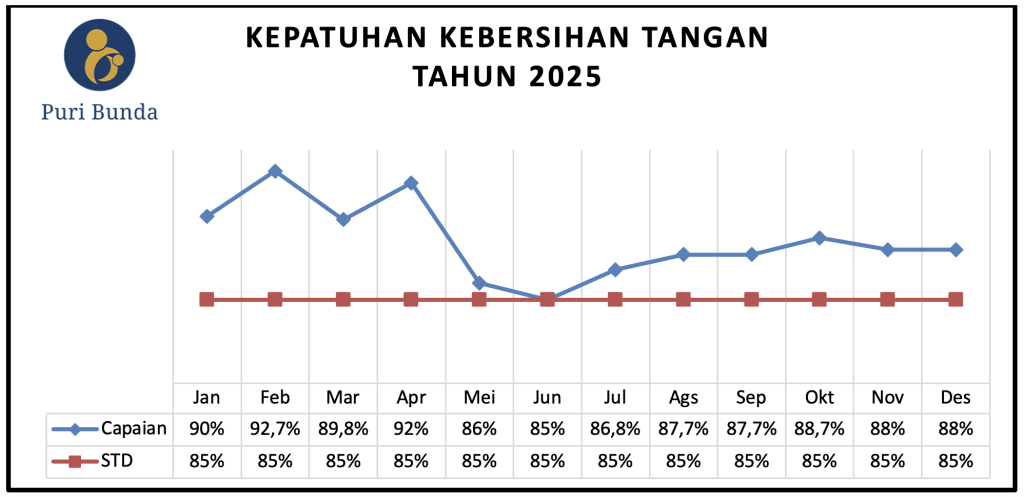
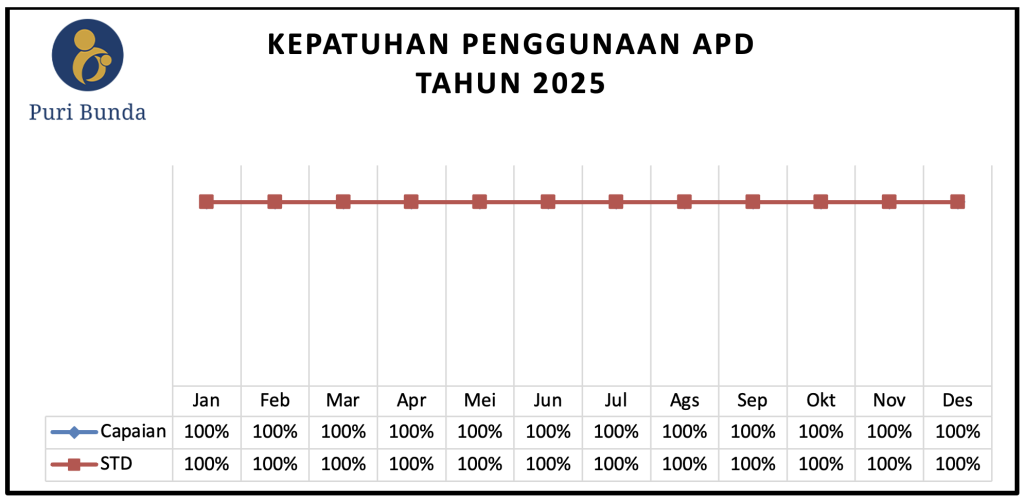
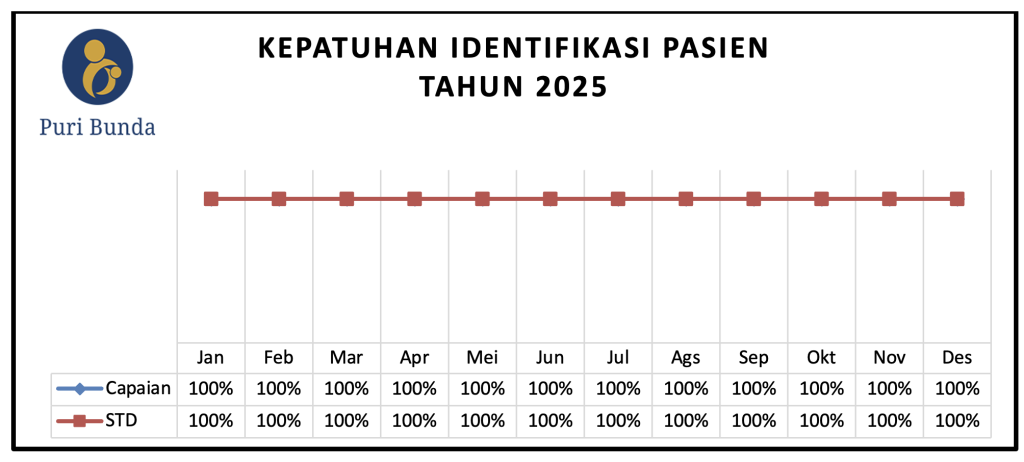
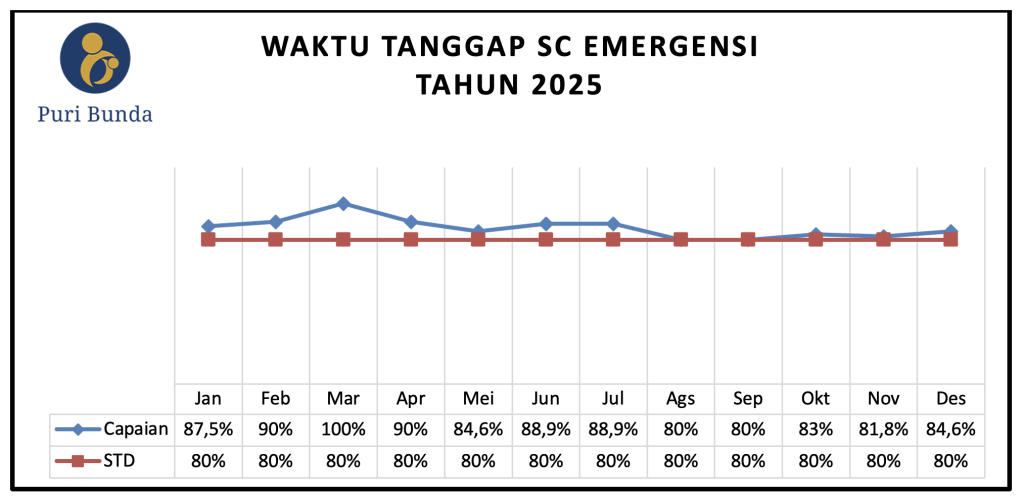
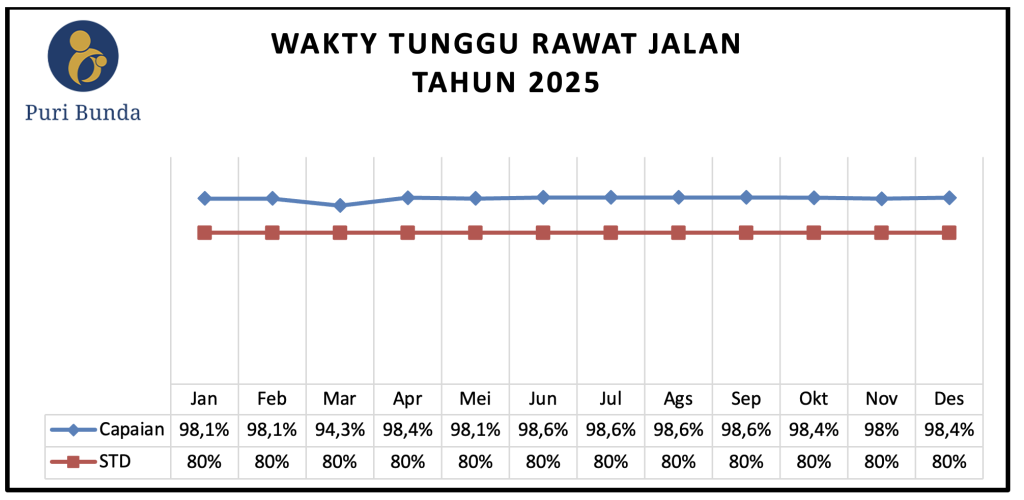
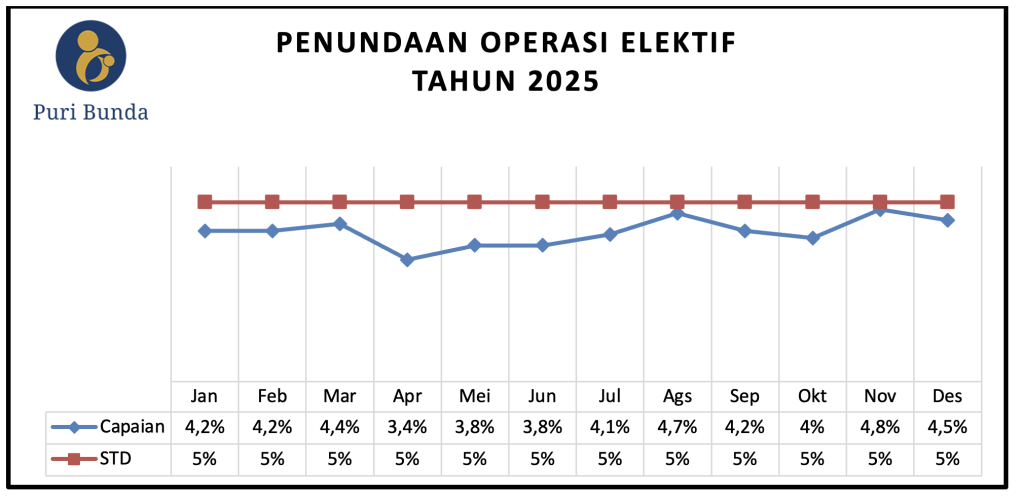
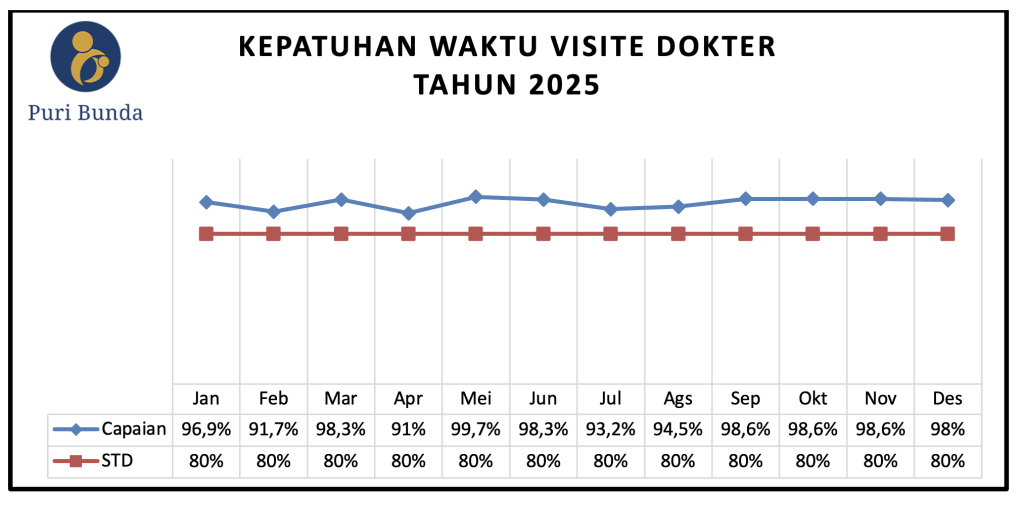
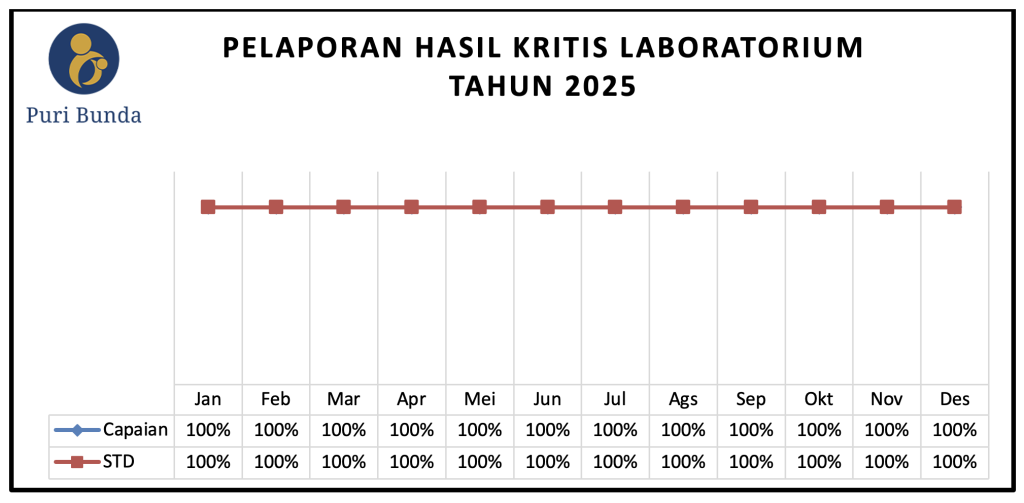
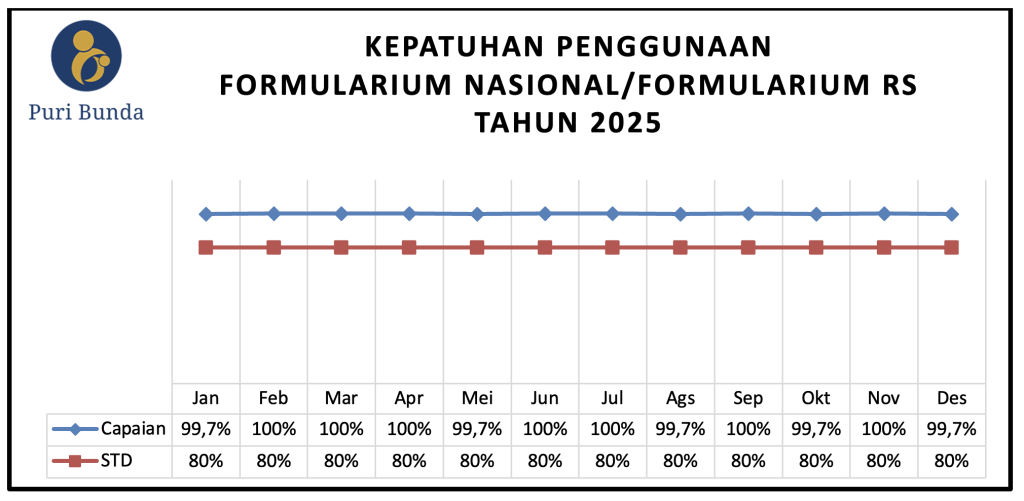
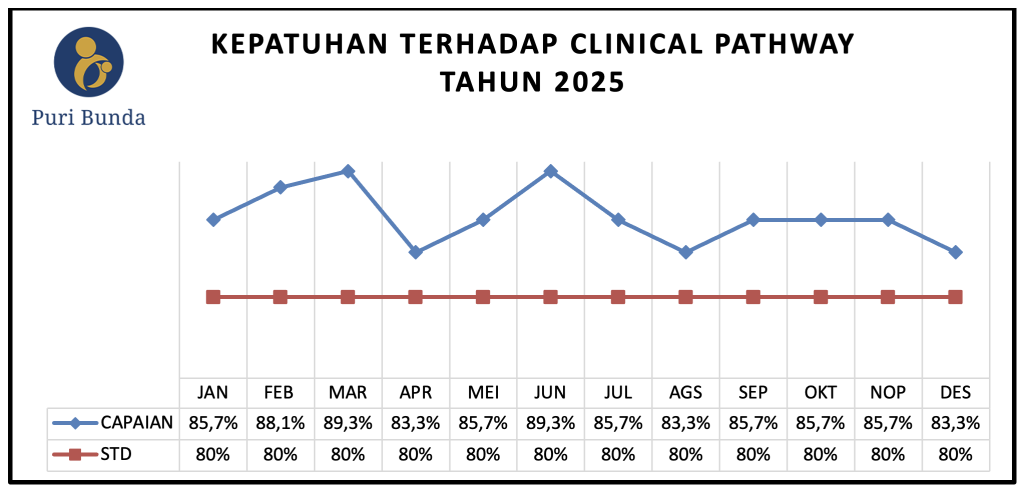

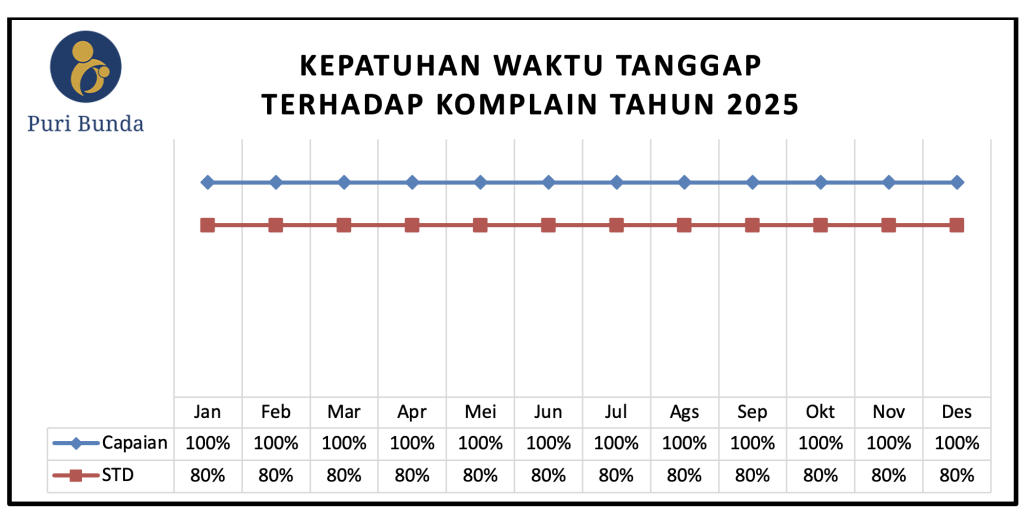
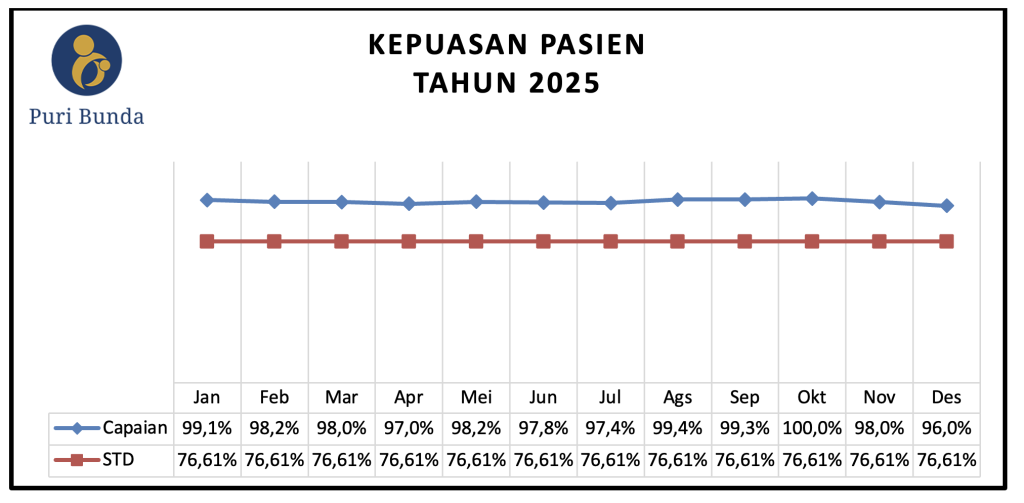
As a healthcare service institution, hospitals have a responsibility to continuously maintain and improve the quality of their services. This commitment is realized through the establishment of service quality indicators measurable, transparent, and continuous.
Quality indicators serve as benchmarks for assessing the effectiveness, efficiency, safety, and patient satisfaction of the services provided. Through consistent monitoring and evaluation, hospitals ensure that every service process adheres to standards, supports the achievement of their vision and mission, and delivers tangible benefits to patients, their families, and the community.
The selection of priority quality indicators for the hospital is the responsibility of the leadership, considering priorities for measurement that have a broad/comprehensive impact on the hospital. Meanwhile, the head of the unit selects priority quality indicators in their work unit. All clinical and non-clinical units select indicators related to their priorities.
The National Quality Indicator (NQI) is a national quality indicator that must be measured and used as national quality information.
By openly displaying the achievement of quality indicators, hospitals demonstrate their seriousness in maintaining public trust. This information serves as tangible proof that service quality is continuously monitored, evaluated, and improved.
This transparency also invites patients, families, and the wider community to participate in oversight and provide input, thereby fostering a healthy relationship between the hospital and its users. Ultimately, transparency in quality information not only fulfills regulatory obligations but also provides a sense of security, trust, and certainty for everyone who entrusts their health to the hospital.